A somewhat occasional blog in which we aim to provide news and comment on local events, happenings and items of interest from the viewpoint of 700+ feet on top of the Mendip Hills.
Somerset Open Studios returns! It’s the opportunity for SAW Artist Members to open their studio doors to allow a glimpse into often-private spaces and workshops, alongside pop up venues, where audiences can meet the artist, see work in progress and visit the creative source.
Somerset Art Weeks alternates each autumn between Open Studios and Exhibitions + Events. After the return of the Art Weeks guide last year, Somerset Open Studios 2023 will feature artist studios, workshops and activities, including Family Friendly Weekends.
This is now the largest visual arts event in the county, investing in the arts community and enriching lives.
The eclectic mix of artists ensures that the festival will be not only visually exciting but also stimulating for the visitor. Whatever your taste or view on art is, the diversity of art forms and artists guarantees that there is something for everyone.
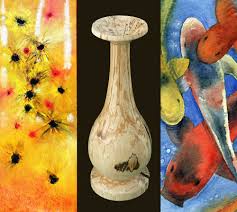
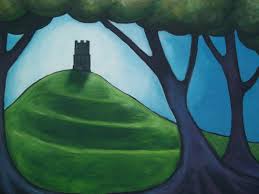
Visit Somerset Artist’s Open Studios !
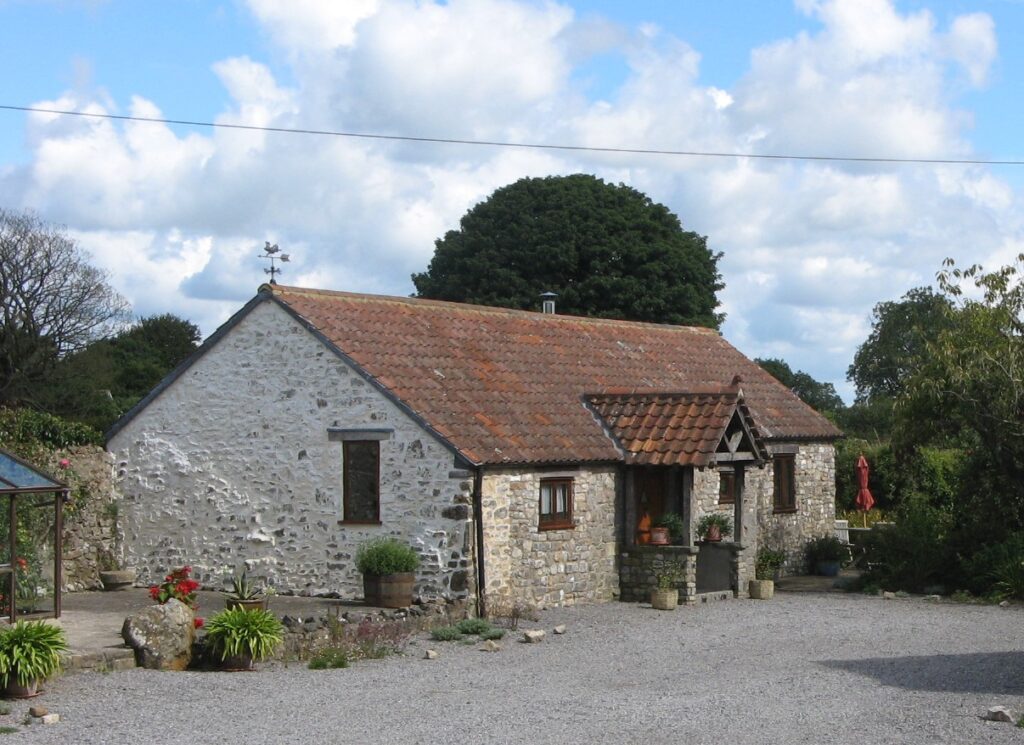
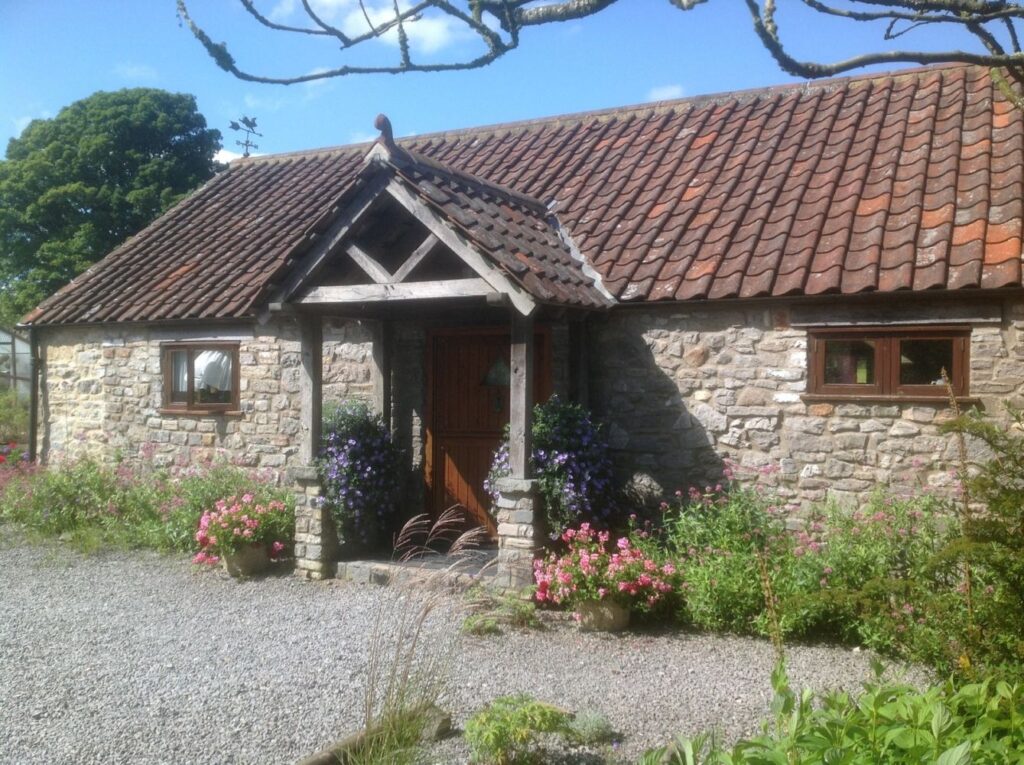
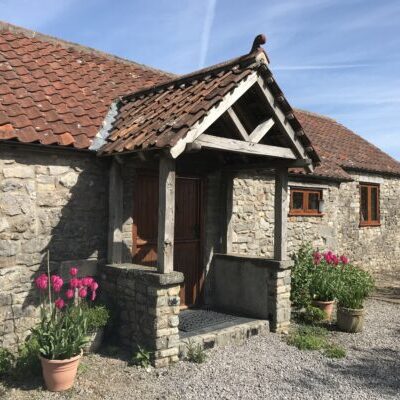
Why not take a break, stay in the outstanding cottage that is the Beanacre Barn. Treat yourself to a day or three to experience this superb art event in Somerset?
Somerset is home to an amazingly wide selection of festivals. These range across art, media, literature, live comedy, food and film. The magnificent historic city of Wells is host to a number of these. I particularly want to draw your attention to two outstanding autumn festivals; the Wells Food Festival and the Wells Festival of Literature
Wells Food Festival – Sunday 8th October 2023
On Sunday 8 October 2023, Wells is set to be the centre of all things foodie again! The eleventh annual Food Festival will celebrate the best of Somerset’s wonderful local produce from over 150 of the area’s best artisan producers. The Festival is billed as “a celebration of Somerset’s rich culinary heritage” and “one of the prettiest food festivals in England”. It is is free to enter. Graze your way round the Artisan Producers Stalls which extend from the Market Square, along the Bishop’s Palace Moat and into the Recreation Ground.
Beanacre Barn – your perfect base for Autumn Festivals in Wells.
So, take a break in Somerset for a few days, stay in the beautiful Beanacre Barn and take in the Food Festival on Sunday 8th of October 2023.
Go to the Food Festival website for more details
Wells Festival of Literature 27 Oct – 4 Nov 2023
Wells Festival of Literature was set up in 1992. It aims to promote the enjoyment of books and to encourage a love of the written word. The Festival brings to Wells a wide range of international, national and local writers to entertain, challenge, inspire and inform audiences of all ages and tastes. The Festival is funded by ticket sales, competition entries and generous local sponsors.
Mariella to launch our 2023 Festival
Somerset resident and one of the UK’s most recognised cultural critics, Mariella Frostrup is the natural choice to launch our 31st Festival!
Having spent 20 years presenting Open Book on BBC Radio 4, she now helms a current affairs and culture show on @TimesRadio which airs at lunchtime on Monday to Thursday. Mariella has also served on the judging panel of every major book award including the Booker and the Women’s Prize; she has presented programmes from Panorama to Novel Britain, is an ambassador for Save the Children.
We are delighted that on 4 July Mariella will be guest speaker at the very first event of 2023: an evening at which the Festival organisers express our gratitude to the many Friends and sponsors without whose support we would be unable to provide a hugely successful and entertaining Festival AND help fund a large number of educational projects for state schools and colleges in the local area.
Find all the details at the Festival of Literature website
Beanacre Barn – your perfect base for Autumn Festivals in Wells
The Beanacre Barn is only 5 miles from Wells so it is the perfect base from which to explore the wonderful Somerset towns and countryside.
It is ideally located for your visits to these great Festivals in Wells!
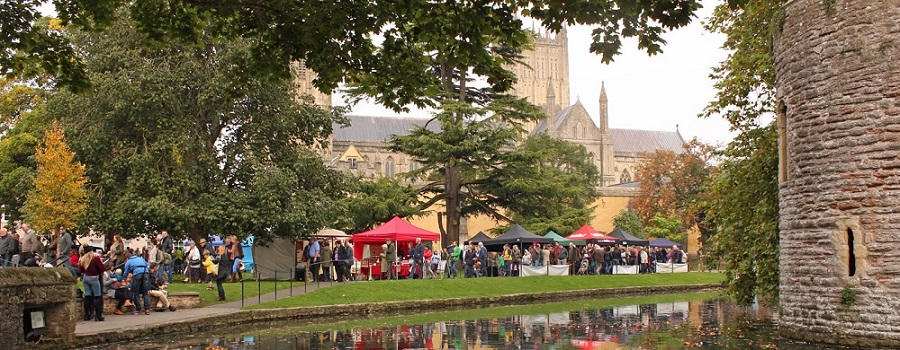
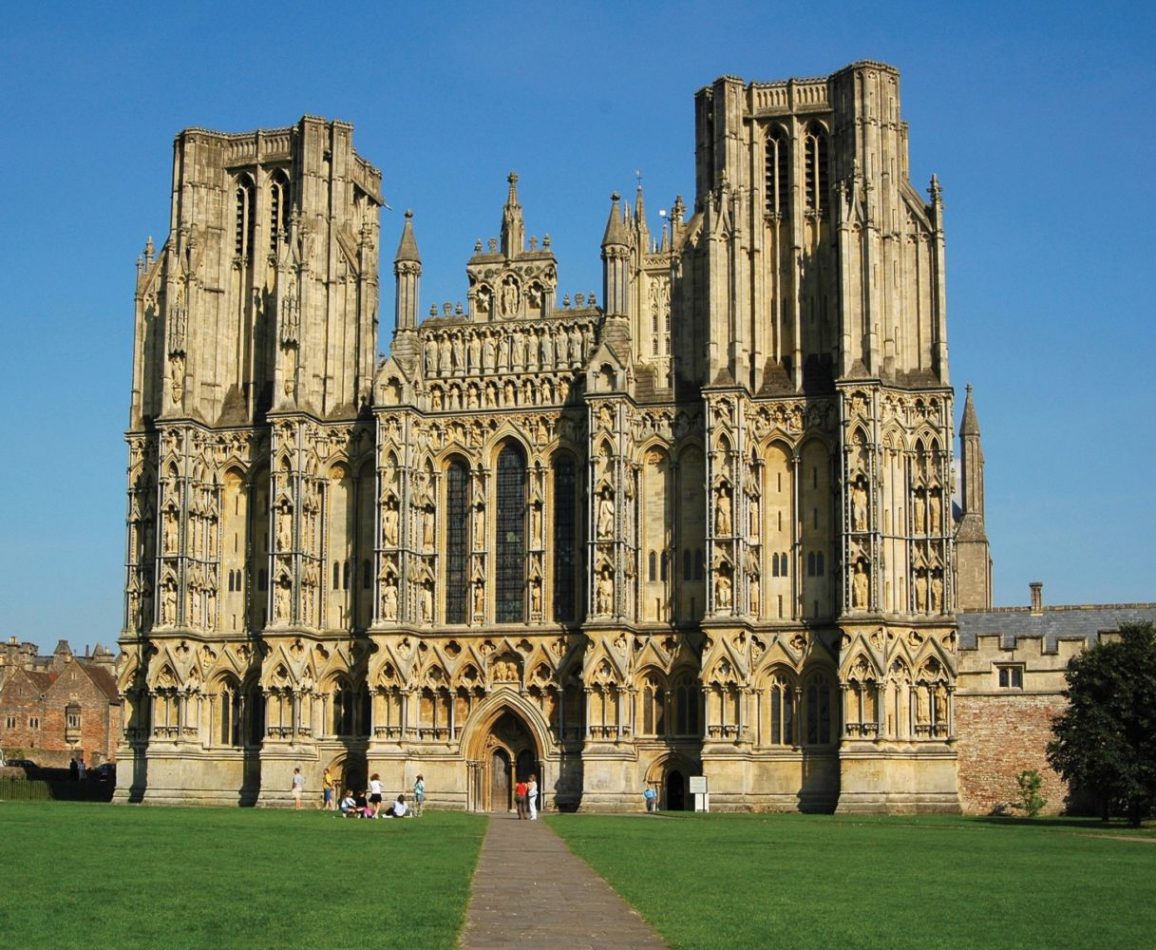
A visit to Wells during your holiday in the Beanacre Barn should be at the top of your list!
The cathedral city of Wells, England’s smallest city is a historical gem! With a population at the last count of just over 10,000, Wells is the smallest city in England.
Roman & Medieval City
The city was a Roman settlement and was later the site of a minster church founded by the Anglo-Saxon King Ine in 704. In 909, it became the seat of the bishopric of Bath and Wells in1245. The present Cathedral was built in early 13th century. Wells was listed in the Domesday Book of 1086 as Welle.
Wells Cathedral
Standing on the vast open Cathedral Green you cannot help but marvel at the architecture. The grand front with all the carved stone figures and arches is impressive but a walk around within its walls is a quite stunning experience!


Wells is named after the three wells dedicated to St Andrew, one in the market place and two within the grounds of the Bishop’s Palace and Cathedral.
English Civil War
During the English Civil War (1642–1651), the city was surrounded by Parliamentarian guns on all sides. The Royalists evacuated the city and Parliamentarian troops then used the cathedral to stable their horses. They damaged much of the ornate sculpture by using it for firing practice!
During the Monmouth Rebellion (1685) the rebel army attacked the cathedral in an outburst against the established church. Lead from the roof was used to make bullets, windows were broken. Wells was the final location of the Bloody Assizes on 23 September 1685. In only one day, over 500 men were tried and the majority sentenced to death.
Wells today
The Wells Market Place, with lively markets twice a week, the narrow streets and an eclectic mix of building styles all reflect the continuing development of the town throughout the ages. Wells remains remarkably unspoilt offering a wide selection of independant shops, pubs, and restaurants as well as a concert hall, cinema and a good local museum. It is the venue for a number of events such as the annual Literature Festival and the Food Festival in October celebrating the wide range of wonderful local Somerset produce and products
A visit to Wells during your holiday in the Beanacre Barn is a ‘must’!

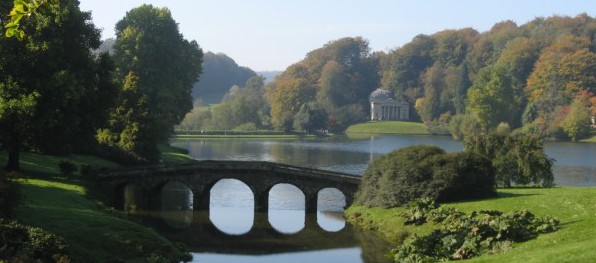


Seeing this beautiful image of the bluebells on Brean Down reminded me of the great number and diversity of fascinating National Trust properties within easy reach of the Beanacre Barn here in Binegar, Somerset.
As you can see from the map on this linked page, these include the house and majestic gardens at Stourhead, home of the National Trust; grand historic country houses such as Tyntesfield and Montacute, the location used for much of the classic TV series “Wolf Hall”; the mystical Glastonbury Tor and the towering cliffs of Cheddar Gorge.
Whether you wish to stroll in beautiful gardens such as those at The Courts, explore fine country houses or hike along Brean Down for stunning views out into the Severn Estuary with Wales beyond, this Jewel of the Southwest that is Somerset has so much to offer!
Check out our suggestions of places to visit and where to eat out locally.
At the heart of Somerset in the southwest of England is an area called the Somerset Levels and Moors. It has international status as one of the most important wetlands of its type in the world. The whole area was under water until about 4500 BC when peat deposits began to form in salt marsh, fen and raised bog environments.
People have been draining the area since before the Domesday Book. In the Middle Ages, the monasteries of Glastonbury, Athelney and Muchelney were responsible for much of the drainage.
The Levels is extremely rich in wildlife and wild flowers. It is one of the finest remaining lowland wetlands left in Britain, and is also internationally important for migrating birds. The Somerset Levels and Moors includes 32 Sites of Special Scientific Interest, of which 12 are Special Protection Areas.

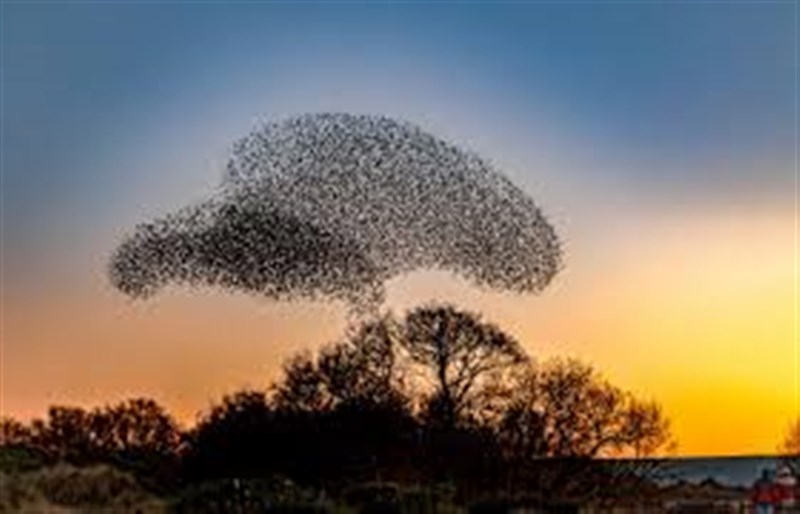
A Starling Murmuration
This is also one of the best places in the UK to witness the amazing spectacle of thousands, sometimes hundreds of thousands of starlings as they fly, forming sweeping cloud-like shapes overhead before plunging down to roost in the reed beds.
These starling ‘murmurations’ are a true wonder of the natural world. The starlings leave the marshes during the day and go off to feed, some up to 20 miles away. They return in the afternoon and the murmurations can start an hour or so before sunset. Winter is the time to see these spectacular murmurations!
To find out exactly where the starlings are gathering on the Somerset Levels and Moors currently, ring the Avalon Marshes Starling Hotline on 07866 554 142 and listen to the answer message.
Our 4 star cottage, Beanacre Barn, is the ideal base from which to explore the fascinating Somerset Levels. Check out availability and prices here now.

- Binegar Church
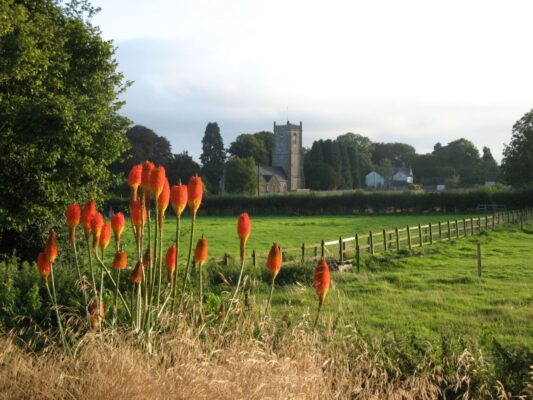
As this is the first post in the Beanacre Blog I thought it might be appropriate to provide a brief history of our village of Binegar
Medieval Village
The early name of the village was Begenhangra, in a charter of 1065, which probably meant the “slope where beans are grown”. We adopted the early meaning of the village name in naming our cottage, the Beanacre Barn!
Located on the A37 about 14 miles south of Bath and 4 miles (6.4 km) east of Wells, It had a population in 2011 of 313.
The Norman Church of the Holy Trinity was rebuilt in the 15th century, and again rebuilt (except for the tower) in 1858 for Rev William Heade. The tower contains two bells dating from 1776 and made by William Bilbie of the renowned Bilbie family. It has been designated by English Heritage as a Grade II* listed building. (ack Wikipedia)
The village had a station on the Somerset and Dorset Joint Railway. Here the narrow gauge line from the brewery in the nearby village of Oakhill gave access via the S&D to wider markets for the Oakhill Brew! the line was closed in 1966 as part of the infamous ‘Beeching restructuring’! The brewery continued in production until the early 2000s.
Church Farm and Beanacre Barn
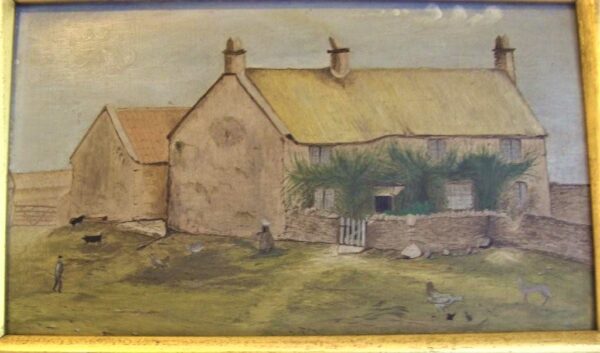
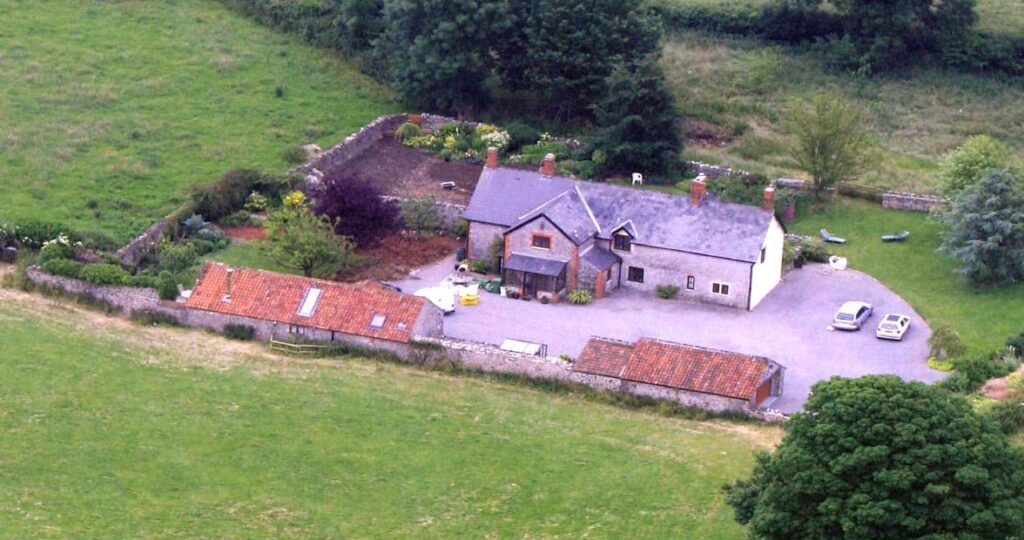
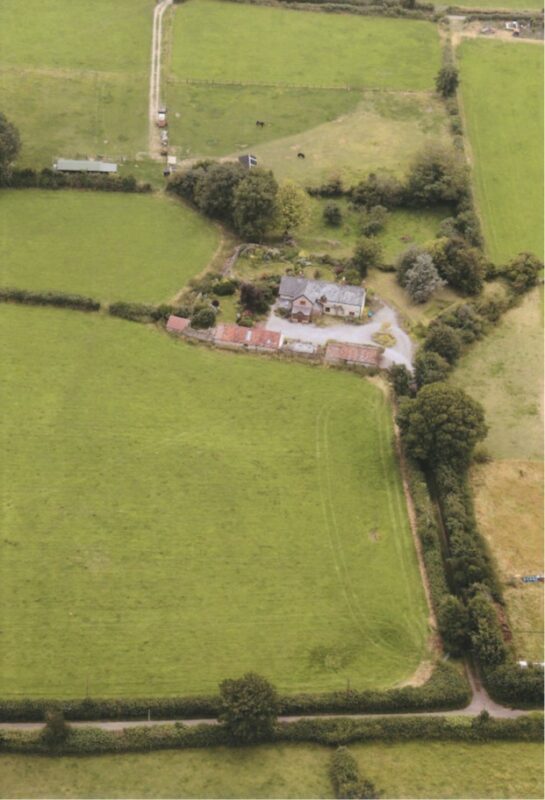
Our holiday cottage, Beanacre Barn, was originally one of the out-buildings of Church Farm which dates from the 1640s. The original farmhouse is now the oldest continuously occupied house in the village. As the name suggests, historically it was owned by the Church of England, which once owned very great areas of land in the country. It was rented by tenant farmers until the 1970s when it then became a private dwelling. We came here in 2002 and converted the Beanacre Barn from a very broken down old building into the beautiful holiday retreat it is today.
Review the Availability and Rates for a stay in the Beanacre Barn HERE